


In 2026 it is easy to believe that an Instagram profile, a Facebook page or a marketplace listing is enough. It is not. The businesses that grow still build around one asset they truly own: their own website.
Rented land vs. owned land.
Social networks and marketplaces are rented land. The algorithm decides who sees you, the platform keeps the relationship with your customer, and one policy change can erase your reach overnight.
Your website is the only channel you control: your domain, your rules, your data. It is the difference between building an audience you borrow and an audience you keep.
Credibility and trust.
Before buying, almost everyone searches for your name. A fast, well-built site signals legitimacy; an empty one, or none at all, raises doubts. Studies on buyer behaviour keep showing that consumers research online before they commit, and a professional web presence is part of that decision. [3]
SEO: being found at the moment of intent.
When someone searches “accountant near me” or “best coffee shop in Bogotá”, they find web pages — not social posts. Search engines index pages with clear structure, useful content and solid technical foundations. [1] SEO is a compounding asset: every good article keeps working for years.
What AI changes.
Artificial intelligence reshapes three things: content, customer support and personalisation. AI drafts and optimises copy, chatbots answer questions 24/7, and recommendations adapt to each visitor. It is a powerful co-pilot, not a replacement for a home base.
It also raises the bar: when anyone can generate generic content, original and trustworthy pages win. AI assistants increasingly cite real websites as sources, so your site becomes the reference others quote.
What a website that sells needs in 2026.
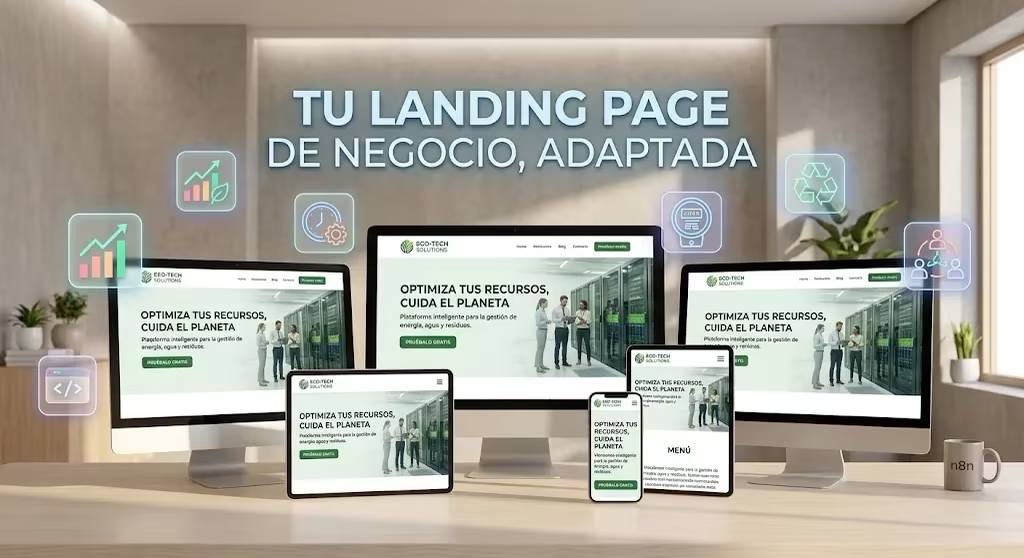
- Speed and mobile first: a clean layout that loads fast and passes Core Web Vitals. [5]
- A clear message above the fold: what you do, for whom and the next step.
- SEO basics: titles, descriptions, structured data and a sitemap.
- Real content: services, prices, cases and answers to common questions.
- One obvious conversion path: forms, WhatsApp or a booking link.
- Trust signals: reviews, photos, contact details and clear policies.
- Analytics and accessibility: measurable results and a site everyone can use. [4]
Common mistakes.
- Depending only on social media or a marketplace.
- An outdated design that does not work on a phone.
- No clear call to action — the visitor has to guess.
- Copy-pasted, generic text nobody remembers.
- Publishing once and never updating or measuring.
- Chasing trends at the cost of clarity and speed.
Conclusion.
Social media amplifies you; AI accelerates you. Neither replaces the asset you own. A website is where credibility, SEO, data and conversion come together — the one place online where you make the rules. Build it well, keep it alive, and every other channel becomes a road that leads back home.
References.
- Google Search Central — Search Essentials: how Google Search works.
- Statista — Online shopping and e-commerce worldwide.
- HubSpot — The State of Marketing: how buyers research and buy.
- W3C — Web design and accessibility standards.
- web.dev — Core Web Vitals: speed, responsiveness and stability.